THE FEMALE GAZE: NAN GOLDIN | MARINA ABRAMOVIĆ | JUNO CALYPSO | CINDY SHERMAN | SHIRIN NESHAT | YOKO ONO & MORE
-
 Anne CollierDouble Exposure 1, 2011Signed in ink on artist label verso. Some light handling marks visible in raking light.Chromogenic print14 3/8 x 16 1/2 in
36.5 x 42 cmNumbered from an edition of 100 + 10AP(Edition record)£ 850.00 -
Shirin NeshatWomen Without Men #1, 2009, 2025Artist signed and numbered recto from edition of 118. Publishers COAUV pigment print with matte varnish seal on 410gsm Somerset Tub Sized Radiant White paper.24.5 x 42 cm
9 5/8 x 16 1/2 in -
Linder SterlingPortrait Obtained By Telepathy, 2018Signed and numbered by artist versoDigital pigment print with photo collage27.5 x 20 cm
10 7/8 x 7 7/8 inEdition of 30(Edition record)£ 900.00 -
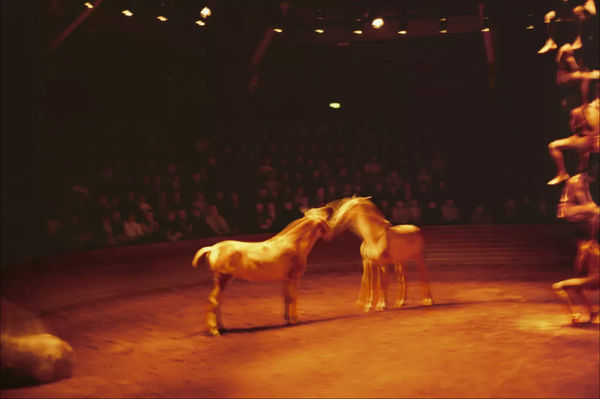
Nan Goldin, Triptyk, Zingaro Equestrian Theater, Paris, 2004, 2025


-
Cindy ShermanUntitled #114, 1999Unsigned from the Schirmer Mosel 25 year Jubilee Portfolio. Certified in print lower left (recto) and middle centre (verso)Fine art offset lithograph. Printed on high quality “BVS-PLUS matt” paper (250g/qm) by Scheufelen, Lenningen45 x 34 cm
17 3/4 x 13 3/8 inUnknown Edition(Edition record)£ 490.00 -
Marina AbramovicUntitled, from The Hope And Optimism Portfolio, 1993, 1993Edition of 200 signed and numbered in pencil by artist versoLithograph on Arches paper76 x 56.5 cm
29 7/8 x 22 1/4 in -
Yoko OnoJohn Lennon Imagine, 2018Numbered and officially stamped. Includes limited edition book in slipcase.Giclée print in archival pigment inks on Olin Regular High White 300gsm wove30.2 x 23.4 cm
11 7/8 x 9 1/4 inEdition of 2000(Edition record)£ 475.00 -
Shirin NeshatUnveiling #1, 1993, 2025Artist signed and numbered recto from edition of 255. Publishers COAUV pigment print with matte varnish seal on 410gsm Somerset Tub Sized Radiant White paper.42 x 33.3 cm
16 1/2 x 13 1/8 inSold


-
Cristina De MiddelDhana. From the series The Afronauts (2011), 2021Signed verso on an archival labelArchival pigment print15.2 x 15.2 cm
6 x 6 inMagnum special edition(Edition record)£ 350.00 -
Tacita DeanAn Organised Whole - for Tate Modern 21 Years, 2021Signed and numbered in pencil by artist verso23 Colour Screenprint with pearlescent inks on Somerset Radiant White Satin 410gsm. Printed by Counter Studio60 x 76 cm
23 5/8 x 29 7/8 inEdition of 125 -
Juno CalypsoUntitled (Art Car Boot Fair 2024), 2024Limited edition of 50 signed and numbered by artist in red pen lower right and left rectoGiclee print on Hahnenmulhle lustre photo paper 190 gsm40 x 30 cm24/50£ 650.00
-
Marguerite HornerRefuge of the Roads, 2024Signed and dated versoOil on Canvas.100 x 100 cm
39 3/8 x 39 3/8 inUnique£ 7,500.00


-
Marilyn MinterMy Cuntry ’Tis of Thee, 2018Time limited edition published by, and to support, printed matterLithographic poster print38 x 51 cm
15 x 20 1/8 in(Edition record)£ 450.00 -
Linder SterlingPartial Dematerialisation of the Medium, 2018Signed and numbered by artist versoDigital pigment print with photo collage27.5 x 20 cm
10 7/8 x 7 7/8 inEdition of 30(Edition record) -
Juno Calypso, Silhouette III, 2025
-
Nan GoldinC and So competing for the Oscar, Second Tip, Bangkok (1992), 2020Signed verso on an archival labelArchival pigment print15.2 x 15.2 cm
6 x 6 inSpecial edition limited by time(Edition record)£ 750.00


-
Marguerite HornerThe Answer is You, 2024Signed and dated versoWatercolour on Paper. In optional 30 x 40 cm black wood frame with cream matt (no charge).20 x 20 cm
7 7/8 x 7 7/8 inUnique£ 1,100.00 -
Cindy Sherman, Untitled Marilyn (1981), 1989
-
Mariah Robertson, #166 (unique print), 2010
-
Barbara KrugerUntitled (Flag), 2020Unknown edition limited by time. Created for Artists Band Together, published LACMA in original black card envelopeScreenprint in colours on cotton55 x 55 cm
21 5/8 x 21 5/8 in£ 740.00


From portraiture to performance, from the body to landscape and the wider world, these works reveal the breadth of the female gaze—radical and subtle, playful and serious, intimate and confrontational—revealing that it is not the subject that defines the gaze, but the perspective through which the world is seen.
Art history is filled with images of women, yet far fewer created by women themselves. For centuries, the female figure has appeared as muse, subject, or symbol. The Female Gaze brings together works by women artists who move beyond the role of subject to become the authors of the image—sometimes both muse and maker—offering visions of the world shaped through their lens.
This exhibition features artists whose practices expand and complicate what it means to look. Nan Goldin’s photographs are intensely personal—raw and unflinching, grounded in the communities she inhabits—inviting us into intimate spaces that feel both loving and precarious. Cindy Sherman turns the camera toward performance and transformation, becoming both artist and muse as she inhabits a cast of invented personas, including the ultimate cultural muse, Marilyn herself. In Yoko Ono’s portrait of John Lennon, the gaze quietly reverses: one of the world’s most recognisable men is seen through the intimate perspective of a woman who knew him closely. Shirin Neshat’s powerful images confront the structures that shape women’s lives, combining beauty and defiance to question cultural and political expectations, while Juno Calypso playfully inhabits the exaggerated tropes of femininity through her stylised, surreal self-portraits.
While many of these works centre the female figure and the act of reclaiming the gaze, their subjects are not confined by what is traditionally deemed feminine. From portraiture to performance, from the body to landscape and the wider world, these works reveal the breadth of the female gaze—radical and subtle, playful and serious, intimate and confrontational—revealing that it is not the subject that defines the gaze, but the perspective through which the world is seen.


